
The Cost of Waiting in Real Estate: Why Timing Matters More Than You Think
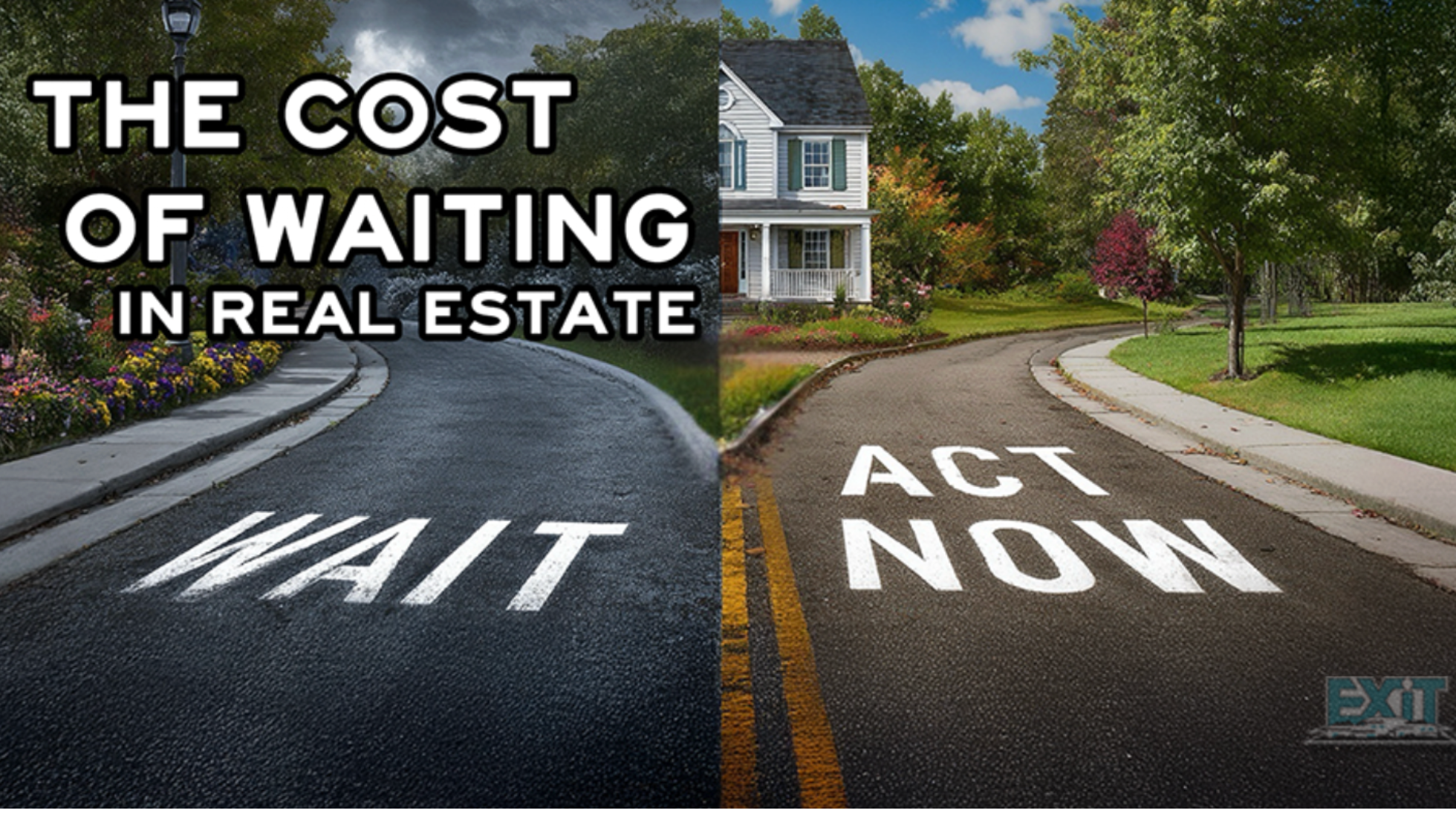
How delaying your decision to buy or sell could impact your financial future
Watch the Video: The Cost of Waiting in Real Estate
In this video, we break down how waiting to buy or sell can affect pricing, interest rates, competition, and overall opportunity.
Introduction
In real estate, timing is not just important, it can be expensive. Many buyers and sellers delay their decisions, hoping for better market conditions, lower interest rates, or higher prices. While that strategy can sometimes work, more often it leads to missed opportunities and increased costs.
Understanding the true cost of waiting can help you make more confident, informed decisions in today’s market.
For Buyers: How Waiting Can Cost You
1. Home Prices May Continue to Rise
Even in a more balanced market, home values tend to appreciate over time. Waiting could mean paying more for the same property in the future.
A home priced at $300,000 today may be significantly more expensive a year from now, depending on local market trends.
2. Interest Rates Impact Your Monthly Payment
Interest rates play a major role in affordability. Even a small increase in rates can significantly raise your monthly payment and reduce your buying power.
For example:
-
A 1 percent increase in interest rates can reduce your purchasing power by tens of thousands of dollars
-
Higher rates mean higher long-term interest costs over the life of the loan
3. You Miss Out on Building Equity
When you delay buying, you delay building equity. Instead of owning an asset that can grow in value, you continue paying rent without gaining long-term financial benefit.
4. Competition Can Shift Quickly
Markets change. What feels slow today can become competitive tomorrow. Waiting could mean entering the market when demand increases, leading to multiple offers and less negotiating power.
For Sellers: The Risk of Waiting Too Long
1. Market Conditions Can Shift
Seller-friendly conditions do not last forever. Inventory can increase, buyer demand can change, and pricing power can soften.
Waiting could mean listing in a more competitive environment with more homes to compete against.
2. Seasonal Advantages Matter
Certain times of the year, especially spring, bring more buyers into the market. Missing these windows could reduce exposure and overall interest in your home.
3. Holding Costs Add Up
Every month you wait to sell, you continue paying:
-
Mortgage payments
-
Property taxes
-
Insurance
-
Maintenance and upkeep
These costs can quietly reduce your net proceeds over time.
4. Your Next Move May Become More Expensive
If you plan to buy another home after selling, waiting could mean paying more for your next property, offsetting any potential gain from holding onto your current home longer.
Why Local Market Insight Matters
While national trends provide a general outlook, real estate decisions should always be based on local conditions. In markets like LaGrange, factors such as inventory levels, buyer demand, and neighborhood trends play a critical role in timing.
A personalized analysis can help you determine whether acting now or waiting aligns better with your goals.
Making the Right Decision for You
The cost of waiting is not just financial. It can also impact your lifestyle, flexibility, and long-term plans.
Ask yourself:
-
Are you financially ready to make a move?
-
Does your current home still meet your needs?
-
Would buying or selling now improve your situation in the next one to three years?
Real estate decisions should balance both market timing and personal readiness.
There is no perfect time to buy or sell, but there is a cost to waiting without a clear strategy. The most successful buyers and sellers make decisions based on informed data, local market conditions, and their long-term goals.
If you are unsure whether now is the right time or want to understand what waiting could cost you specifically, a personalized consultation can provide clarity and direction.
Thinking about making a move?
Let’s talk through your options and create a plan that works for you.